
Starting daycare or stepping into any fresh routine can feel huge for a small human. Even confident kids sometimes wobble at first. If your child is crying at drop off, clinging hard, or acting a bit off at home, you are not alone. We see this often at Children’s Academy. Change can be loud inside a child’s nervous system.
Good news. With steady prep, calm handoffs, plus a team that knows early childhood inside out, most children move from tears to cheers faster than parents expect. This guide shares simple transition tips that work for infants, toddlers, preschoolers, and kindergarten learners.
Table of Contents
- Why new routines feel so big for young children
- Before daycare starts: gentle prep at home
- First week tips: smoother drop-offs
- How we support daycare transitions at Children’s Academy
- Helping toddlers and preschoolers with routine changes beyond daycare
- What not to do during transitions
- When extra support might help
- A final note from our team
Why new routines feel so big for young children
Imagine being three years old. Your world runs on patterns. Same bed, same kitchen smell, same faces. Then one morning, everything shifts. New building, new voices, new schedule, new expectations. That is a lot.
Children often show routine stress in predictable ways. Some cry at drop off. Some go quiet. Others push back at bedtime or meals. You might see clinginess, short tempers, or a sudden need for help with tasks they used to do solo. None of this means daycare is a bad fit. It usually means your child is processing novelty.
Before daycare starts: gentle prep at home
Talk about daycare in simple, upbeat ways
Keep language clear and light. “You will play with friends, eat a snack, then I will come back after rest time.” That is enough. Avoid heavy explanations. Kids read your tone more than your words. Try role play. Use dolls or toy animals. Pack a tiny bag. Walk through goodbye and hello. Kids love rehearsal.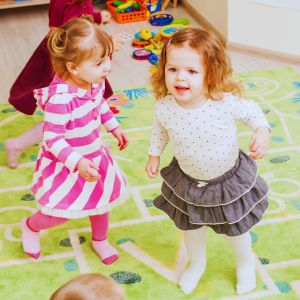
Practice short separations
If your child has not spent much time away from you, start small. A quick visit with Grandma. A short babysitter window. Even a play date where you step out for ten minutes helps. Each safe return builds trust.
Shift your home rhythm a week early
About one or two weeks before daycare begins, nudge sleep and meal times toward your new schedule. Earlier wakeups, earlier breakfast, a predictable lunch, then quiet time. Bodies adapt better when timing feels familiar.
Choose a comfort anchor together
Let your child pick a small object that feels like home. A soft toy, a family photo, and a tiny blanket if your centre allows. Call it their helper. Explain where it will sit during the day. This gives a stable point inside new surroundings.
First week tips: smoother drop-offs
Keep goodbye short and confident
A long, emotional farewell makes routines harder. Pick one simple ritual and repeat daily. Hug, short phrase, wave. Then hand off. Sneaking away can backfire. Children learn fastest when adults say goodbye clearly and follow through.
Expect emotions, do not fear them
Tears are communication. Your child is not “failing.” They are showing love and uncertainty at the same time. Most crying fades once play begins. If you feel shaky, breathe outside the door for a minute. Kids sense nervous energy quickly. Calm you equals calm them.
Send something familiar
A familiar scent helps. Same hat, same small stuffed friend, same lunch container each day. Tiny consistencies add up. They tell your child, “Home still exists inside this new place.”
Stay connected through updates
At Children’s Academy, families receive daily notes and photos through HiMama. Seeing your child engaged during the day lowers your stress. Less parental worry often means easier mornings for kids, too.
How we support daycare transitions at Children’s Academy
A settling-in plan that fits your child
No two children adjust in identical ways. Some dive in. Some watch quietly first. Our educators meet your child where they are. We learn cues, preferences, and comfort needs early. Then we build trust gently.
Predictable routines plus child-led choice
We follow a Montessori-influenced, play-based, and Reggio-inspired approach. Daily structure creates safety. Child choice builds confidence. Children feel secure when they know what happens next. They feel proud when they can pick how they explore.
Warm educators who model calm
Children borrow calm from adults. We stay steady during tough moments. We label feelings in simple words. We offer a hand, a book, or a quiet corner. Co-regulation is powerful. Over time, children copy that self-soothing skill.
Enriched days that pull children into play
Engagement speeds comfort. Our programs include movement, music, early STEM, language exposure, creative projects, and plenty of outdoor time. When curiosity kicks in, anxiety often shrinks fast. Play becomes home base.
Nourishing care basics
Meals and snacks are cooked on site by our chef, with fresh fruits and vegetables served daily. A fed child regulates better. Predictable snack times also help children settle into group flow.
Helping toddlers and preschoolers with routine changes beyond daycare
Daycare is only one kind of transition. Children face many shifts as they grow. New classroom. New teacher. Family trip. Holiday schedule. New sibling. Even daylight savings can feel weird.
Use the same toolkit each time:
- preview change in calm language
- rehearse with the play
- keep key patterns steady
- allow comfort anchors
- praise effort, not perfection
Children learn resilience through repeated small transitions.
What not to do during transitions
A few common moves can stretch the adjustment longer:
- long drop-offs packed with negotiation
- bribing for calm behavior
- comparing your child with others
- changing routines every morning
- letting guilt override consistency
Kind firmness is kinder than wobbly kindness.
When extra support might help
Most children settle within two to four weeks. Some need more time. If distress stays intense past a month, or you see daily panic, deep withdrawal, or major sleep collapse, talk with us. We can adjust strategies together.
Sometimes a child simply needs a slower ramp. Sometimes another support professional helps. Either way, you do not have to guess alone.
A final note from our team
Transitions are real. They feel messy for kids and parents. Still, they are also how children grow brave. With preparation at home plus responsive care at the centre, your child will find rhythm again. Often sooner than you think.
If you are planning a daycare start in Bradford West Gwillimbury or London, Ontario, we would love to meet you. Reach out to Children’s Academy for a tour, a chat, or a simple check-in. We are here for families at every step.

